
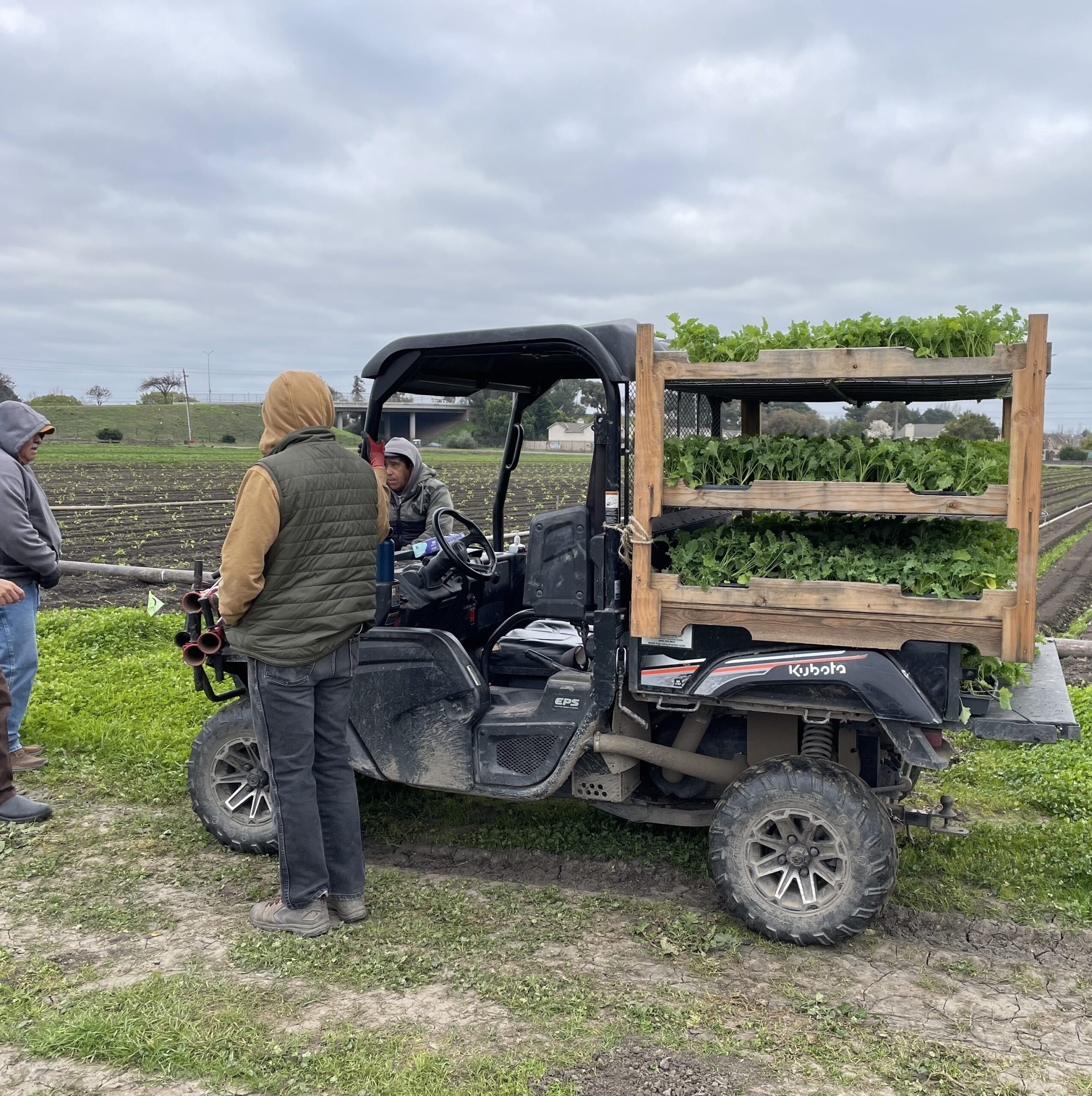
Alameda County Community Food Bank: Community, Courage, and Systems Change for a Hunger-Free Alameda County
For Alameda County Community Food Bank (ACCFB), food justice begins with a simple but radical belief: food is a basic human right. In one of the wealthiest regions in the country, leaders at ACCFB argue, hunger is not an inevitable problem—it is a solvable one. The real question is whether we are willing to address its root causes together. That belief has fundamentally shaped ACCFB’s evolution over the past several years, guiding a shift from emergency food distribution alone toward a broader systems- change approach that centers community, policy, and long-term economic stability.
TSO and ACCFB: A Partnership Rooted in Equity and Community Impact
The Sobrato Organization has partnered with ACCFB since 2014, providing more than $2 million across 14 grants to help expand the food bank’s reach across Southern Alameda County. This support enables ACCFB to serve 54 partner agencies and 62 distribution sites in Hayward, Newark, Union City, Fremont, and nearby unincorporated communities. Sobrato’s investment strengthens ACCFB’s equity-centered approach to addressing hunger and is especially timely as the food bank incubates and fiscally sponsors Dig Deep Farms—deepening its role in long- term food systems change while continuing to meet urgent hunger needs. As an anchor grantee and member of Sobrato’s Grantee Working Group, ACCFB also helps shape participatory learning and evaluation efforts, ensuring community voices guide impact across the region.
“Hunger isn’t caused by individual failure or poor decision-making. It’s the result of policies and systems that were designed in ways that perpetuate inequity.”
– ACCFB’s Executive Director, Regi Young
The people who turn to ACCFB for support are often working families facing impossible trade-offs: job loss, rising childcare costs, or rent that consumes most of their income. Food insecurity, ACCFB leaders emphasize, is deeply tied to economic precarity, health outcomes, and housing stability.
Recognizing this reality led ACCFB to revise its mission to partner with our community to end hunger and its root causes. That shift made advocacy and policy change—not just food distribution—essential parts of the organization’s work.
“We’re not going to food-bank our way out of hunger,” Young says plainly. “If, 40 years from now, we’ve tripled our capacity, then something has failed.”
Learning From Crisis–and Possibility
The COVID-19 pandemic brought both urgency and clarity. As supply chains fractured and food access became more fragile, ACCFB saw firsthand how vulnerable the national food system could be. At the same time, something unexpected happened: poverty and food insecurity declined.
Emergency SNAP benefits, tax credits, eviction protections, and student loan forbearance gave families enough financial breathing room to meet their basic needs. Child hunger was cut nearly in half.
“That period showed us what’s possible when policy works for people,” says Juan Francisco Orozco, ACCFB’s Corporate & Foundation Relations Manager. “It also showed how quickly progress can be undone when hope in government responsiveness erodes.”
Those lessons reinforced ACCFB’s commitment to strengthening local food systems and keeping food justice visible—even when there isn’t a headline-driven crisis demanding attention.
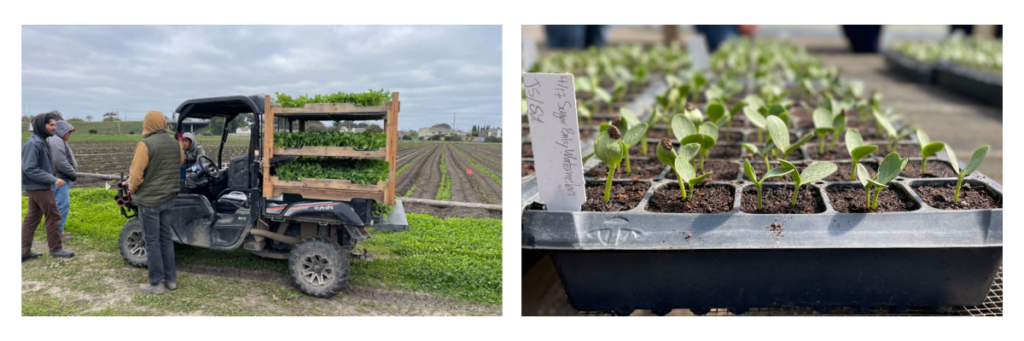
Reimagining the System: The Food Justice Incubator
These insights helped spark one of ACCFB’s most ambitious efforts to date: the Food Justice Incubator. Anchored in ACCFB’s strategic plan, the Incubator is designed to bring together community organizations, farmers, innovators, and advocates to test and scale ideas that address hunger at its roots.
ACCFB’s strength, leaders say, lies in its relationships—thousands of volunteers, hundreds of partners, donors, organizers, and community members. The Incubator asks a powerful question: What happens when we intentionally harness that collective knowledge and courage?
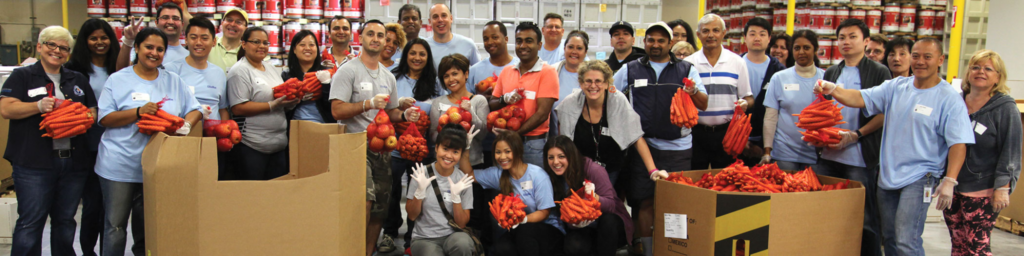
Support through the Incubator is tailored to each partner’s needs and can include fiscal sponsorship, grants, technical infrastructure, HR support, mentorship, and connections across networks. ACCFB also draws on its 18,000-strong volunteer base—recognizing that volunteers bring not only helping hands, but deep professional expertise in technology, finance, systems design, and lived experience.
“We don’t want to constrain what’s possible,” Young says. “The Incubator creates space for imagination.”
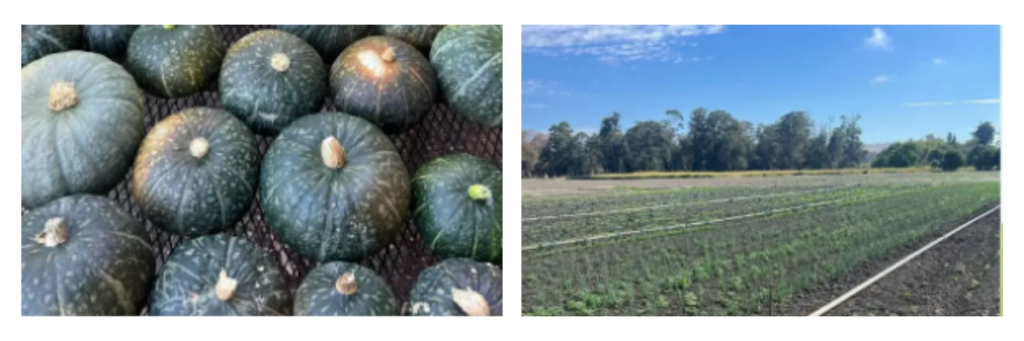
Why Dig Deep Farms Matters
One of the Incubator’s flagship partners is Dig Deep Farms (DDF), an urban farming organization with a bold vision for what farming can look like for Black and Brown growers—and for the communities they serve.
The partnership emerged from both opportunity and alignment. When Alameda County planned to divest from one of its farms, ACCFB took six months to learn deeply about DDF’s goals, values, and potential. The timing coincided with ACCFB’s growing commitment to sourcing food from BIPOC farmers and strengthening the local food ecosystem—an effort shaped by both the pandemic and the racial reckoning following the murder of George Floyd.
“The reflection of your values is in your budget,” Orozco notes. ACCFB examined where its food dollars were going and asked whether it was investing in large corporations or local farmers who pay fair wages and grow culturally relevant food. The results were striking: within two years, ACCFB shifted from sourcing 0% of certain products from Black and Brown farmers to 100%. That model has since been shared with other Bay Area food banks, leveraging collective purchasing power to lower costs and expand impact.
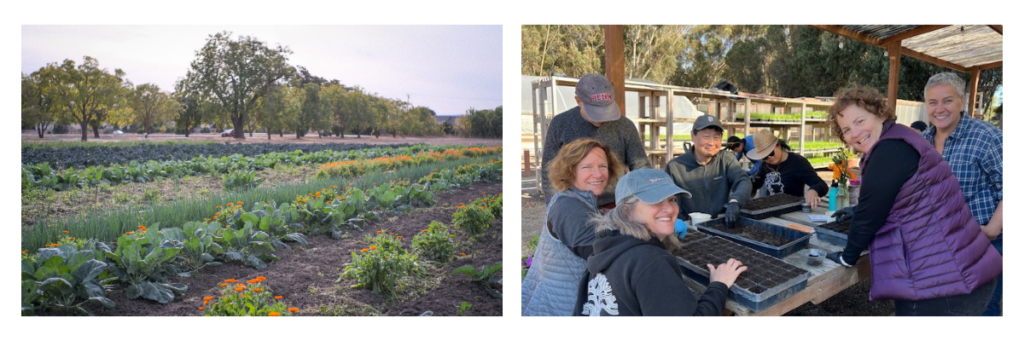
Measuring Success Through Community Goals
For ACCFB, success isn’t defined by scale alone. It’s measured by whether collaborators and community members can achieve their goals—whether that’s a family accessing healthy food, or a partner organization like DDF reaching long-term sustainability while serving its community.
“We want to create the conditions for people to do the work they love, in service of their communities. That’s food justice.”
– ACCFB’s Executive Director, Regi Young
Orozco adds that the movement is at a tipping point. “What excites me is what the food bank movement could become—if we choose courage over fear.”
Looking Ahead with Curiosity and Courage
“I’m more interested in seeing where this work goes than prescribing what it should be. When you open space for creativity, it can lead somewhere you never imagined.”
– ACCFB’s Executive Director, Regi Young
As the Food Justice Incubator enters its next phase, ACCFB leaders are intentionally resisting the urge to define success too narrowly.
For Orozco, the future is powered by courage—the kind shown repeatedly during wildfires, recessions, and pandemics, when people choose to act despite uncertainty.
“That courage propels us forward,” he says. “And it’s how we’ll continue moving from food charity toward true food justice—together.”